Exhibition
Inthe 2007 the cinema attendance reached its highest point in 40 years becasue of the blockbusters and the quality of films being produced. For exhibitors, piracy is the main problem in the 21st century. The amount of cinema goers has increased since 1984 because of teh introducing of multi-plex cinemas and a general rejuvination of the industry.
Location
In the past cinemas were built outside of cities because it was not economically beneficial becasue it was more expensive to build in cities. A problem with this is that many people couldn't get there. New cinemas are in a central place because of urbanisation. Audiences dont mind driving to places because they can see the movie and after get some shopping or go out for a meal.
Audience
The baby booms of the 1970s have become the most regular cinema goers. For a cinema to choose the films it has to do a survey in its location on the opening weekend. They usually book the film in advance and then review the decision to see whether to carry the film on. This comes down to the Monday after when they decide how many viewers there were and decide if the film will stop playing.
Digital Camera
With a digital camera the amount of movies available will be unlimited. Cinemas will be able to screen sport events and live shows. There are also new schemes that people can vote what they would like to watch in the cinema. Digital expands the audience and gives people extra options and more of a cinematic experience. Film directors can use 3D to their advantage as they can increase the ticket prices, meaning the profit will go up. Cinemas try to differentiate themselves from the home environment. People like to go to the cinema because it is a more relaxing place. Also they can socialise with friends and family. The size of the screen and the whole feel of the cinema makes it a more 'feel good' place.
Wednesday, 1 May 2013

Friday, 26 April 2013
Broken case study
We had a talk from Dixie Linders, (producer) who came in to talk to us about the British Film, Broken.
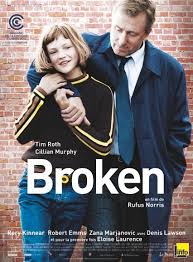
The story of a young girl in North London whose life changes after witnessing a violent attack.
Media Ownership-
The film was financed by BBC films, BFI and Tax credit. The budget for the film was £1.7 million. But originally wanted to have £3.8 million. The costumes for Broken had a budget of £10 thousand.
Cross media convergence and synergy-
For Broken there was a soundtrack made by Damon Albarn and the leading actress Eloise, who sung most of the songs in the film. Her singing gave the audience a more personal approach, which set an intamite tone between the audience and the character.
Technology-
Broken was shot on 35mm and then was ran through DCP so it was able to be distributed digitally. Because of the small budget they shot dated film which was close to expire.
Proliferation of Hardware and Content-
Broken is a small film and it couldn't compete with big block busters that came out at the same time. I was completely unaware of the film until we watched it in media. Actors like Tim Roth gave the star appeal which could have helped bring the target audience amd the money that came with them.
Technological convergence-
Broken was publisised through socail networking site suchas Facebook and Twitter. Steven Fry helped to publisise the film as he tweeted and mentioned the film. Having a music creator like Damon Albarnalso helped with publification because at the beggining of the Cannes festival they performed one of the songs from Broken.
The story of a young girl in North London whose life changes after witnessing a violent attack.
Director:
Rufus NorrisWriters:
Daniel Clay (novel), Mark O'Rowe (screenplay)Stars:
Cillian Murphy, Tim Roth, Rory Kinnear, Eloise Laurence, Cillian Murphy.
Media Ownership-
The film was financed by BBC films, BFI and Tax credit. The budget for the film was £1.7 million. But originally wanted to have £3.8 million. The costumes for Broken had a budget of £10 thousand.
Cross media convergence and synergy-
For Broken there was a soundtrack made by Damon Albarn and the leading actress Eloise, who sung most of the songs in the film. Her singing gave the audience a more personal approach, which set an intamite tone between the audience and the character.
Technology-
Broken was shot on 35mm and then was ran through DCP so it was able to be distributed digitally. Because of the small budget they shot dated film which was close to expire.
Proliferation of Hardware and Content-
Broken is a small film and it couldn't compete with big block busters that came out at the same time. I was completely unaware of the film until we watched it in media. Actors like Tim Roth gave the star appeal which could have helped bring the target audience amd the money that came with them.
Technological convergence-
Broken was publisised through socail networking site suchas Facebook and Twitter. Steven Fry helped to publisise the film as he tweeted and mentioned the film. Having a music creator like Damon Albarnalso helped with publification because at the beggining of the Cannes festival they performed one of the songs from Broken.
Audiences and institutions
1. Do you agree with Stewart's point regarding self-determination of audiences?
Cultural and social fads in people determine the size of audiences for films. I would go see a film if it was something that i found interesting such as psychological thrillers. Regarding Stewart's idea, the popularity of the film depends of if that genre is popular at the time. For example, Vampire based films, the Twilight Saga would be perfect.
2. Hall's idea about audience positioning identifies three ways that an audience can respond to texts. Using three case studies, identify a preferred, negotiated and oppositional reading and explain your own reasons for each case study.
I do believe that an audience can interpret different meanings for a film of TV program, especially in soap operas. When i watch a soap opera there are certain characters that seem to be horrid so i dislike them. With a film, some people don't watch a movie because of certain actors starred.
Case Studies
Broken- This is a film that i would have been to see because it is with in the area of film which i like. Also i would go to see it because Tim Roth is in it.
Life of Pi- I would not have been to see this because in my personal opinion i thought the plot looked boring. Also there aren't any actors in it which i recognise.
Batman The Dark Night Rises- I did not go and see this because the subject matter of a fictional character fighting villains is not my cup of tea. Also i have never seen any of the other batman films.
3. a] How can gender effect how you respond to a text?
Females prefer story lines that envolve relationships with in an action film. They care more about curreent affairs and relationships. Males focus more on the action, this was seen by BFI statistics when action was the most seen by males in 2001, this is because films like Captan America had just been released.
b]Why would you choose to go to the cinema as opposed to watching a film at home?
If it was a great new film that sounded interesting, i would want to see it straight away, but if it was something that didn't sound as good, i could wait until it came out o DVD. Also the quality of the cinema would have a huge affect because I like to be comfortable when watching a film.
c] Can you think of a text where you gained 'cultural knowledge' which shaped your expectations? Was that the reasons why you chose and enjoyed that text?
TV shows like Castle and Bones were the ones that interested me the most. It is more likely to be a TV show that included 'cultural knowledge'.
4. How do converged websites apply to Gauntlettes idea of a 'pick and mix' audience?
Convergences allow the audience to connect with the film in more than one way. It also boosts their awareness of the film and increases their fan bases.
5. To what extent do you believe in the effect model and the uses and gratifications model?
I believe that the audience is more active than passive, becuase you are morelikely to report to friends about a bad film after seeing it than if it was a good film. Both sides of this support the idea that audiences are active.
6. Mcquail believes audiences use texts for four different reasons. Can you identify these features in the marketing materials from your case studies.
a] Entertainment and diversion- To escape the pressures of everyday life films are put onto the screens for people to escape their normal routines and enjoy themselves. The Hobbit's live screening n the internet from New Zeland is one example of this.
b] Personal relationships- With all films there is always a chance to talk about it with another whether its positive or negative. The online convergences such as Facebook and Twitter allow people to discuss popular topics and movies for example Sky Fall.
c] Personal identity- Peoples imagination can allow them to picture themselves in a number of different fantasy lives, and see for themselves what it would be like to be a character of their choice.
d] Information/ education- Creators of films have influence from current events. For example spy films give the audience an insight in to the life of the government and how those governments work, for example, James Bond.
7. What is the audience fragmentation? How jas it changed the composition of audiences and the texts available to them? Has the Internet influenced this in any way?
Audience fragmentation is a phrase that focuses on the way people engage with media. It shows how the idea of audience in the digital ears are changing. User-created content and social networking are appart of convergence which have transformed. The problem is that more people are likely to see a trailer on the internet [e.g. Youtube] than on actual television. This is causing smaller groups to come together. Ther are less big-budget, blockbusters now and more fims are aimed at promotiong a 'cult' audience.
8] What is the 'push' and 'pull' media? How has the Internet shaped audience behaviour in realtion to 'pull' media?
Push media- where producers push films at the audience and we recieve and consume passively.
Pull media- the adience decides what they want to do with the media and how to access it in a way that suits them. Piracy is a big problem with pull media as it is so easy to illegally download a piece of media e.g. films and music.
Cultural and social fads in people determine the size of audiences for films. I would go see a film if it was something that i found interesting such as psychological thrillers. Regarding Stewart's idea, the popularity of the film depends of if that genre is popular at the time. For example, Vampire based films, the Twilight Saga would be perfect.
2. Hall's idea about audience positioning identifies three ways that an audience can respond to texts. Using three case studies, identify a preferred, negotiated and oppositional reading and explain your own reasons for each case study.
I do believe that an audience can interpret different meanings for a film of TV program, especially in soap operas. When i watch a soap opera there are certain characters that seem to be horrid so i dislike them. With a film, some people don't watch a movie because of certain actors starred.
Case Studies
Broken- This is a film that i would have been to see because it is with in the area of film which i like. Also i would go to see it because Tim Roth is in it.
Life of Pi- I would not have been to see this because in my personal opinion i thought the plot looked boring. Also there aren't any actors in it which i recognise.
Batman The Dark Night Rises- I did not go and see this because the subject matter of a fictional character fighting villains is not my cup of tea. Also i have never seen any of the other batman films.
3. a] How can gender effect how you respond to a text?
Females prefer story lines that envolve relationships with in an action film. They care more about curreent affairs and relationships. Males focus more on the action, this was seen by BFI statistics when action was the most seen by males in 2001, this is because films like Captan America had just been released.
b]Why would you choose to go to the cinema as opposed to watching a film at home?
If it was a great new film that sounded interesting, i would want to see it straight away, but if it was something that didn't sound as good, i could wait until it came out o DVD. Also the quality of the cinema would have a huge affect because I like to be comfortable when watching a film.
c] Can you think of a text where you gained 'cultural knowledge' which shaped your expectations? Was that the reasons why you chose and enjoyed that text?
TV shows like Castle and Bones were the ones that interested me the most. It is more likely to be a TV show that included 'cultural knowledge'.
4. How do converged websites apply to Gauntlettes idea of a 'pick and mix' audience?
Convergences allow the audience to connect with the film in more than one way. It also boosts their awareness of the film and increases their fan bases.
5. To what extent do you believe in the effect model and the uses and gratifications model?
I believe that the audience is more active than passive, becuase you are morelikely to report to friends about a bad film after seeing it than if it was a good film. Both sides of this support the idea that audiences are active.
6. Mcquail believes audiences use texts for four different reasons. Can you identify these features in the marketing materials from your case studies.
a] Entertainment and diversion- To escape the pressures of everyday life films are put onto the screens for people to escape their normal routines and enjoy themselves. The Hobbit's live screening n the internet from New Zeland is one example of this.
b] Personal relationships- With all films there is always a chance to talk about it with another whether its positive or negative. The online convergences such as Facebook and Twitter allow people to discuss popular topics and movies for example Sky Fall.
c] Personal identity- Peoples imagination can allow them to picture themselves in a number of different fantasy lives, and see for themselves what it would be like to be a character of their choice.
d] Information/ education- Creators of films have influence from current events. For example spy films give the audience an insight in to the life of the government and how those governments work, for example, James Bond.
7. What is the audience fragmentation? How jas it changed the composition of audiences and the texts available to them? Has the Internet influenced this in any way?
Audience fragmentation is a phrase that focuses on the way people engage with media. It shows how the idea of audience in the digital ears are changing. User-created content and social networking are appart of convergence which have transformed. The problem is that more people are likely to see a trailer on the internet [e.g. Youtube] than on actual television. This is causing smaller groups to come together. Ther are less big-budget, blockbusters now and more fims are aimed at promotiong a 'cult' audience.
8] What is the 'push' and 'pull' media? How has the Internet shaped audience behaviour in realtion to 'pull' media?
Push media- where producers push films at the audience and we recieve and consume passively.
Pull media- the adience decides what they want to do with the media and how to access it in a way that suits them. Piracy is a big problem with pull media as it is so easy to illegally download a piece of media e.g. films and music.
Wednesday, 20 March 2013
Technology Tasks- The Cinema Exhibitors Association Annual Report 2011
Why have cinema attendances increased?
The cinema going Summer could have been seen to kick off from May with the success of so many good films being released such as, Thor, Fast and Furious Five and Pirates of the Carribean: on Stranger Tides. This was then repeated in the following months by The Hangover Part 2, X-Men First Class, Transformers: Dark of the Moon and the unexpected success of Bridesmaids.
What id DFP and the VPF?
DFP- Digital Funding Partnership
Established by the CEA to support small and medium sized cinema operators seeking to digitise. A cooperative of some 400 screens covering all types of independently owned cinemas Collectively and in aggregate have sufficient first run programming to enter into VFP deals on the same basis as major circuits. DFP acts as a quasi circuit as has a fully financed deal with a third party where by that part will receive sufficient VFPs to pay back all relevant costs. The strategic beauty is that all cinemas benefit and none lose.
Scheme supported and backed by all studios, major UK circuits, BFI and Minister of Culture.
VPF- Virtual Print Free
Based funding agreement with XDC Digital Cinema. The cost of a screen is around 50k plus finance and other costs. Major distributors are unwilling to accept any lower standard because they don't want any bad press on the film. A sum of money is paid to a cinema when a film is played on a VPF supported system on the release date of the film. So if a cinema plays enough first run films over the funding period, say 10 years , then it covers off about 75/80% of the equipment and finance costs. A good proposition for major, commercial operators e.g. a national circuit.
What might happen to those who don't use the DFP?
If small or medium sized cinemas do not have the money to convert to fully digital by 2012 they will not be able to receive the new films.
Training and mind set issues
What problems face 'alternative' content?
One of the problems that alternative content faces is that the audience could find it odd to the idea of using a cinema for other purposes such as screening of concerts and sports. Also it is expensive to rent screen rooms for the public and not many people want to pay a lot of money. Also you have to pay to have it classified and then pay for the screen usage which people are reluctant to do.
The cinema going Summer could have been seen to kick off from May with the success of so many good films being released such as, Thor, Fast and Furious Five and Pirates of the Carribean: on Stranger Tides. This was then repeated in the following months by The Hangover Part 2, X-Men First Class, Transformers: Dark of the Moon and the unexpected success of Bridesmaids.
"Considering that the first two months of the previous year had benefited
from the extraordinary box office of Avatar, the increased level of cinema
admissions during the same period in 2011 was all the more remarkable,
with the UK film The King’s Speech enjoying exceptional success and going
on to become the second largest film of the year. The months immediately
following however saw a significant tailing off in audiences as they
responded to good weather and a generally downbeat slate of films. "
- The cinema Exhibitors' Association Annual Report
Many major titles came out in 2011, including the much anticipated final installment of the Harry Potter series- Harry Potter and the Deathly Hallows Part 2.
Also the increase in technology has made a huge effect on the cinema. Also cinemas can now screen Tv shows like Strictly Come Dancing Final. 3D is making a huge effect on the amount of people attending cinemas.
What id DFP and the VPF?
DFP- Digital Funding Partnership
Established by the CEA to support small and medium sized cinema operators seeking to digitise. A cooperative of some 400 screens covering all types of independently owned cinemas Collectively and in aggregate have sufficient first run programming to enter into VFP deals on the same basis as major circuits. DFP acts as a quasi circuit as has a fully financed deal with a third party where by that part will receive sufficient VFPs to pay back all relevant costs. The strategic beauty is that all cinemas benefit and none lose.
Scheme supported and backed by all studios, major UK circuits, BFI and Minister of Culture.
VPF- Virtual Print Free
Based funding agreement with XDC Digital Cinema. The cost of a screen is around 50k plus finance and other costs. Major distributors are unwilling to accept any lower standard because they don't want any bad press on the film. A sum of money is paid to a cinema when a film is played on a VPF supported system on the release date of the film. So if a cinema plays enough first run films over the funding period, say 10 years , then it covers off about 75/80% of the equipment and finance costs. A good proposition for major, commercial operators e.g. a national circuit.
If small or medium sized cinemas do not have the money to convert to fully digital by 2012 they will not be able to receive the new films.
Training and mind set issues
Competition for equipment and technical expertise for physical installations. Space and facilities required in projection booths [Air con]
Loading and playing out content
Security, unlock keys for encrypted content
Basically a complete new way of operating
What problems face 'alternative' content?
One of the problems that alternative content faces is that the audience could find it odd to the idea of using a cinema for other purposes such as screening of concerts and sports. Also it is expensive to rent screen rooms for the public and not many people want to pay a lot of money. Also you have to pay to have it classified and then pay for the screen usage which people are reluctant to do.
Friday, 15 March 2013
Case Study 5.1

 This is the 1st shot from the second scene. The transition is quick indicating that the activities of the characters in the second scene have to be fast.
Camera-
 In the 1st scene all the camera shots are close ups of the different characters. All of the shots have quick transitons after the characters have said their lines. The camera doesn't pan in this scene. In the second scene the camera is very shaky this could have been used to create the effect that they are scared or startled. In the second scene there are a lot of over the shoulder shots included.
Editing-
The bridge is made by adding a quick transition from the top image on this page to the second. There are many angle shots from different persepectives in the first scene. This could create the effect of perspective for the audience.
Sound- In the first scene the sound is just the dialogue, with background music that was played in the pub which they are in. In the second scene it is just dialogue. Everything that the characters are saying during the second scene is important.
Mise en scene- In the first scene there is a lot of natural light in every shot. In the second scene there is darkness and shadows on the bad characters. On the good character there is a little bit of natural light with a few shadows ths could represent his past. The first storyline is in a public place in the second it is in a flat which creates privacy and mystery with in the set. The atmosphere for the first scene is relaxed, the second is tense and scared. In the first scene there is many bright colours including Cheryls top which is bright blue, while in the second scene there are very pastel like colours which seem urban. It seems like their clothing is trying to not attract attension.
Time- 2.16- 6.04
Thursday, 14 March 2013
Working Title Visit
On thursday 28th February Reepham college media students had the opportunity to visit Working Title and have a talk from some of the people who worked in different departments of the industry.
Charlotte, Tristan and Tilly- Internship
Tilly was on the program Action! which is a one year program for people trying to get into the industry. They choose three people, one goes to developing, runner and production. They also talked about their own personal roles in working title. Tristan had worked on the production of Skyfall and went to another country to film the beggining sequence of the train scene. He also spent 5 months on the set of Batman: The Dark Knight Rises.
Development
In development it is the whole procees from the original idea to the screening. The development process varies depending on the film. With Anna Karenina it took a short time compared with Les Miserables. Marketing has its own department next to development. Marketing and development have to have many convosations and meetings between collegues in order to solve difficulties with in the departments.
Amelia Granger is in film development. To come up with ideas for a film you use many resoures suchas books, novels, plays. Then thinking processes and meetings with writer and directors.
Assistant Director
The assistant director is there for production on set and the communication between each individual group is handled by them. They get to see everything onset. Things will mostly go wrong so contigency plans are needed and you need to be able to improvise inmany different situations.
Adaption
Adaption takes a long time if you are creating a film from a book with out the play in the middle. In the case of Anna Karenina there was a playthat could be used before hand anyway so the used that as a guideline for the film. Tom Stoppard is the screen writer who did Shakespeare in love, War Horse and worked on Anna Karenina.
Production and Anna Karenina
Production focuses on schedule and budget. For Anna Karenina Universal gave a certain amount of money for the entire process of making the film. The amount of money given was not enough meaning the orginal ideas had to be scrapped. Then the idea of the theatre was created and saved a lot of money. They filmed part of the movie in Kizzy, it was -40 degrees and many of the crew got frostbite and equiptment got broken. During the process offices are given scripts to breakdown and analyse in order to work out the budget of the film.
Audience for Anna Karenina
The target audience was aimed at those in the upmarket class with a literature background. The audience similar to Pride and Prejudice and Atonement.
Investors
Investors have little input in the making process. They are sent a casting list, concept designs and given a brief over view of what the director wants to create. Some productions like Working Title compromise and it is generally a satisfying process with very little disagreements.
Special Effects
Visula effects crashed and businesses are shutting down or reducing their employee numbers- famine or feast situation. It took off around the time of avatar being released when everyone wanted to see a special effects film. Now not many people are interested by special effects so the numbers have dropped and many businesses are having to shut down. The business is incredibly competitive.
Editing
The editor puts in a rough cut with every scene and everyone watches a screening of it. After they talk about it and the visual effects come ina and decision would be made. Once the directors cut is viewed nothing else is done.
Charlotte, Tristan and Tilly- Internship
Tilly was on the program Action! which is a one year program for people trying to get into the industry. They choose three people, one goes to developing, runner and production. They also talked about their own personal roles in working title. Tristan had worked on the production of Skyfall and went to another country to film the beggining sequence of the train scene. He also spent 5 months on the set of Batman: The Dark Knight Rises.
Development
In development it is the whole procees from the original idea to the screening. The development process varies depending on the film. With Anna Karenina it took a short time compared with Les Miserables. Marketing has its own department next to development. Marketing and development have to have many convosations and meetings between collegues in order to solve difficulties with in the departments.
Amelia Granger is in film development. To come up with ideas for a film you use many resoures suchas books, novels, plays. Then thinking processes and meetings with writer and directors.
Assistant Director
The assistant director is there for production on set and the communication between each individual group is handled by them. They get to see everything onset. Things will mostly go wrong so contigency plans are needed and you need to be able to improvise inmany different situations.
Adaption
Adaption takes a long time if you are creating a film from a book with out the play in the middle. In the case of Anna Karenina there was a playthat could be used before hand anyway so the used that as a guideline for the film. Tom Stoppard is the screen writer who did Shakespeare in love, War Horse and worked on Anna Karenina.
Production and Anna Karenina
Production focuses on schedule and budget. For Anna Karenina Universal gave a certain amount of money for the entire process of making the film. The amount of money given was not enough meaning the orginal ideas had to be scrapped. Then the idea of the theatre was created and saved a lot of money. They filmed part of the movie in Kizzy, it was -40 degrees and many of the crew got frostbite and equiptment got broken. During the process offices are given scripts to breakdown and analyse in order to work out the budget of the film.
Audience for Anna Karenina
The target audience was aimed at those in the upmarket class with a literature background. The audience similar to Pride and Prejudice and Atonement.
Investors
Investors have little input in the making process. They are sent a casting list, concept designs and given a brief over view of what the director wants to create. Some productions like Working Title compromise and it is generally a satisfying process with very little disagreements.
Special Effects
Visula effects crashed and businesses are shutting down or reducing their employee numbers- famine or feast situation. It took off around the time of avatar being released when everyone wanted to see a special effects film. Now not many people are interested by special effects so the numbers have dropped and many businesses are having to shut down. The business is incredibly competitive.
Editing
The editor puts in a rough cut with every scene and everyone watches a screening of it. After they talk about it and the visual effects come ina and decision would be made. Once the directors cut is viewed nothing else is done.
Notes on Anna Karenina opening scene
 The film Anna Karenina is based on a book by Russian writer Leo Tolstoy, published in serial installments from 1873 to 1877 in the periodical The Russian Messenger. The opening scene, it plays a dated style music which sets the century of in which the film is taken place in (1700s). The music is also typically Russian. The opening action shots are like a theatre production, with different rooms being changed by the set. It could relate that the book which was turned into a play and is currently a film. As the opening sequence progresses we are are introduced to one of the male characters in the film as he sits down on a chair to be shved. The way the shaving is taken place it is almost like a performance, the way it is exaggerated. The barber has a red cloak this could make reference to spanish bull masters and their exaggerated dangerous job. There is a close up shot of the character showing his features so that he audience knows who he is throughout the film. The features and clothing of the character could mean that he is an important man with in society. We get the impression that the main characters are in the higher class.
 We are then introduced to the main character Anna Karenina (Kiera Knightly) who is being dressed by her maid, this further supports the point that the main characters come from a higher class. There is an extreme close up of her ring, this could emphasise the fact that she is married, and that this is an important feature in the film. When the she is fully dressed she is followed by the camera with a tracking shot through out the sets as they change. This follows by the interaction between her and her husband and son, this is when the first part of the plot line is put into place. Her husband is seen as the dominant one in the household, as the levels are used.
When she says goodbye to her son their shadows reveal that they are hiding which could mean there are secrets with in the entire film that need to be presented.
Representations of age with in television dramas
Childhood

This image shows a young girl running in the middle of the road. Her clothes could signify her innocence. Also the way the image is shot could represent that she is very important. Also the shot is almost mirrored both sides.

this image shows a young girl who is angry. The background of the image shows that she is in an urban place. The bright colors around her show happiness but the black spray painting shows sadness and madness.
Youth
 This image shows the youths from Hollyoaks in an abandoned building. The building could represent rebellious feelings from the youths. Also it could represent privacy which could be what the youths want. The colors of the original clothing that the people are wearing in the image could symbolize their close ages or their friendship with each other. The powdered paint could signify their wildness or it could signify their creativity.

This image shows a youth who is vulnerable. Her facial expression shows concern and being scared. The background of the image is light colors this could signify that she is a good character. Also the cuts on her forehead makes the audience believe that she was in an accident.
Elderly

In this image the character has shown weaknesses. This could signify deteriorations within this characters life. The way the image is shot to the side could exaggerate the characters well known smoking habit. The way that her head is placed on her hand could show the give up of hope or will to do anything. Her dressing gown and nail polish could show that to everyone else she is a strong fierce character, but in her own life she has no motivation to complete anything.

In this image from Sherlock Holmes the series, this is an image of Mrs Hudson. She is shown as quite a strong, traditional character. The tea cup and saucer represent the traditional side of her life. Also she could represent the traditional London. Her facial expression shows that she is confident and strong. The way the shot has been taken so that she is the main focus of the audiences attention.


This image shows a young girl running in the middle of the road. Her clothes could signify her innocence. Also the way the image is shot could represent that she is very important. Also the shot is almost mirrored both sides.

this image shows a young girl who is angry. The background of the image shows that she is in an urban place. The bright colors around her show happiness but the black spray painting shows sadness and madness.
Youth
 This image shows the youths from Hollyoaks in an abandoned building. The building could represent rebellious feelings from the youths. Also it could represent privacy which could be what the youths want. The colors of the original clothing that the people are wearing in the image could symbolize their close ages or their friendship with each other. The powdered paint could signify their wildness or it could signify their creativity.
This image shows a youth who is vulnerable. Her facial expression shows concern and being scared. The background of the image is light colors this could signify that she is a good character. Also the cuts on her forehead makes the audience believe that she was in an accident.
Elderly
In this image the character has shown weaknesses. This could signify deteriorations within this characters life. The way the image is shot to the side could exaggerate the characters well known smoking habit. The way that her head is placed on her hand could show the give up of hope or will to do anything. Her dressing gown and nail polish could show that to everyone else she is a strong fierce character, but in her own life she has no motivation to complete anything.

In this image from Sherlock Holmes the series, this is an image of Mrs Hudson. She is shown as quite a strong, traditional character. The tea cup and saucer represent the traditional side of her life. Also she could represent the traditional London. Her facial expression shows that she is confident and strong. The way the shot has been taken so that she is the main focus of the audiences attention.
Wednesday, 13 March 2013
Crowd Funding
Crowdfunding describes the collective effort of individuals who network and pool their money, usually via the Internet, to support efforts initiated by other people or organizations.
How might crowd funding affect the 'big six'?
Online crowd funding is a growing necessity for independent filmmakers, this has been made easier due to sites like Indiegogo and Kickstarter. For just $25, investors can score a spot with in the coveted opening credits, as well as behind the scenes access to the entire film making process. Fincher and Kaufman used kickstarter to subvert Big Hollywood - Johnson intends to augment it. He believes the crowd-sourced experience brings a gain that isn't purely financial. Their interest generates early onset marketing for Backseat Driver, a film that is already on track for theatrical release.
Do you think this method of film financing will allow creativity to flourish or will it reduce the overall quality of film making as an art form?
I don't think it will ruin creativity because film making is about the story idea and how you can interpret ideas. I believe this will help many people get the chance to develop their ideas for a movie and allow them to flourish. This way instead of only a small amount of people coming up with ideas this allows a wide range of people to have a chance at making a film. There is a chance that it will reduce the quality of art form because of the financial aspect in getting hold of a film camera. I believe this type of film making will make no difference to big names like Disney and Warner Bros, as many of their films are entertaining and fun to watch.
How can a crowd funded film appeal to global and local audiences?
Crowd funding is done over the internet meaning it can be accessible to a wide range of people. Also it gives a person the opportunity to be a part of the film making process. For just $25, investors can score a spot with in the coveted opening credits or have behind the scenes access to the entire film making process.
Example of crowd funding:
Charlie Kaufman's Anomalisa raised $406327. -http://www.kickstarter.com/projects/anomalisa/charlie-kaufmans-anomalisa?ref=card
How might crowd funding affect the 'big six'?
Online crowd funding is a growing necessity for independent filmmakers, this has been made easier due to sites like Indiegogo and Kickstarter. For just $25, investors can score a spot with in the coveted opening credits, as well as behind the scenes access to the entire film making process. Fincher and Kaufman used kickstarter to subvert Big Hollywood - Johnson intends to augment it. He believes the crowd-sourced experience brings a gain that isn't purely financial. Their interest generates early onset marketing for Backseat Driver, a film that is already on track for theatrical release.
Do you think this method of film financing will allow creativity to flourish or will it reduce the overall quality of film making as an art form?
I don't think it will ruin creativity because film making is about the story idea and how you can interpret ideas. I believe this will help many people get the chance to develop their ideas for a movie and allow them to flourish. This way instead of only a small amount of people coming up with ideas this allows a wide range of people to have a chance at making a film. There is a chance that it will reduce the quality of art form because of the financial aspect in getting hold of a film camera. I believe this type of film making will make no difference to big names like Disney and Warner Bros, as many of their films are entertaining and fun to watch.
How can a crowd funded film appeal to global and local audiences?
Crowd funding is done over the internet meaning it can be accessible to a wide range of people. Also it gives a person the opportunity to be a part of the film making process. For just $25, investors can score a spot with in the coveted opening credits or have behind the scenes access to the entire film making process.
Example of crowd funding:
Charlie Kaufman's Anomalisa raised $406327. -http://www.kickstarter.com/projects/anomalisa/charlie-kaufmans-anomalisa?ref=card
Wednesday, 6 March 2013
Media Ownership Questions
1. What is horizontal and vertical integration in the media industry and can you provide an example?
Horizontal integration is where an organization develops by buying up competitors in the same section of the market, and allows companies to reach a wider audience . E.g. Disney bought the rights to Star Wars allowing them to reach a wider audience.
Vertical integration describes a style of management control. Vertically integrated companies in a supply chain are united through a common owner. It allows media organizations to make profit at every stage in the production stage in the chain. Usually each member of the supply chain produces a different product or service. News Corp owns the forests from which their newspapers are printed.
3.What does Neuman (1991) believe happens to media content? Why is it a problem for the audience?
What most people hear and see in the mass media is remarkably uniform in content and world view. Giddens goes further and he calls for 'the democratizing of the democracy'. The media have a double relation to democracy. On the other hand, the emergence of a global information society is a powerful democratizing force. Yet television and the other media tend to destroy the very public.
4. What does Sterling think about the level of research?
"Surprisingly little research has been done- only margining more than we could draw on two decades ago. Too much is assumed or anecdotal, merely suggesting results from ownership changes'.
5. What does the media reproduce according to Gomery (2000)?
Believes the marxist argument that the capitalist society controls the media and tells people with less power what to do and where to stay. It makes out that if you believe the message of keeping you in your place so that the people keep paying money to see their films. It persuades the people not to question or challenge the capitalist the society.
6. The media industry and corporate power form a powerful cartel. What does it do to local cultures (Mier)?
Corporate power creates a powerful cartel which in turn encourages the spread of certain values (e.g. consumerism and share hold value). There are strong incentives for the displacement of the public sphere with commercial infotainment. This strengthens a conservative 'common sense' view of th eworld eroding local cultures.
7. How have media corporations influenced the law? What impact does this have on new businesses entering the market?
According to Bagdikian the largest media giants have achieved alarming success in writing the media laws and regulations to favor the interests of their corporation rather than the interests of the general public.
8. What issue does convergence pose for media ownership?
In Europe and the USA, many cross-media ownership rules have been relaxed or have disappeared with the rise of a laissez-faire ideology within parliaments, government and regulatory bodies.
9. What does the FCC believe about program diversity?
The Federal Communications Commission once believed that programming diversification was necessary to maximize public service. It was argued that the number of independent broadcasters, the greater the chances for achieving the desired diversity.
Horizontal integration is where an organization develops by buying up competitors in the same section of the market, and allows companies to reach a wider audience . E.g. Disney bought the rights to Star Wars allowing them to reach a wider audience.
Vertical integration describes a style of management control. Vertically integrated companies in a supply chain are united through a common owner. It allows media organizations to make profit at every stage in the production stage in the chain. Usually each member of the supply chain produces a different product or service. News Corp owns the forests from which their newspapers are printed.
2. What does Melody (1978) believe happens to the 'media market'?
As a result of economic conditions or circumstances, access to the market place of ideas is restricted to a privileged few. 25 years ago, Melody made a statement of, only 37 cities out of 1519 in the USA had two or more daily newspapers. By 2000 the number had decreased and the one-newspaper town had become the national norm. Fewer owners have control over more newspapers and their circulation, and most of the media have been absorbed by large conglomerates, 'families' or chains.
3.What does Neuman (1991) believe happens to media content? Why is it a problem for the audience?
What most people hear and see in the mass media is remarkably uniform in content and world view. Giddens goes further and he calls for 'the democratizing of the democracy'. The media have a double relation to democracy. On the other hand, the emergence of a global information society is a powerful democratizing force. Yet television and the other media tend to destroy the very public.
4. What does Sterling think about the level of research?
"Surprisingly little research has been done- only margining more than we could draw on two decades ago. Too much is assumed or anecdotal, merely suggesting results from ownership changes'.
5. What does the media reproduce according to Gomery (2000)?
Believes the marxist argument that the capitalist society controls the media and tells people with less power what to do and where to stay. It makes out that if you believe the message of keeping you in your place so that the people keep paying money to see their films. It persuades the people not to question or challenge the capitalist the society.
6. The media industry and corporate power form a powerful cartel. What does it do to local cultures (Mier)?
Corporate power creates a powerful cartel which in turn encourages the spread of certain values (e.g. consumerism and share hold value). There are strong incentives for the displacement of the public sphere with commercial infotainment. This strengthens a conservative 'common sense' view of th eworld eroding local cultures.
7. How have media corporations influenced the law? What impact does this have on new businesses entering the market?
According to Bagdikian the largest media giants have achieved alarming success in writing the media laws and regulations to favor the interests of their corporation rather than the interests of the general public.
8. What issue does convergence pose for media ownership?
In Europe and the USA, many cross-media ownership rules have been relaxed or have disappeared with the rise of a laissez-faire ideology within parliaments, government and regulatory bodies.
9. What does the FCC believe about program diversity?
The Federal Communications Commission once believed that programming diversification was necessary to maximize public service. It was argued that the number of independent broadcasters, the greater the chances for achieving the desired diversity.
Monday, 4 March 2013
Uk cinema audiences


Over the past 14 years the 15- 24 year old audience has reduced from 43% to 31%. There are flucations such as the big dip in 2004 with 30% or the big rise in 2009 of 39%. While there are less younger audiences there has been an increase in 45+, in 1997 only 14% of cinema goers were 45+, but in 2011 28% were 45+ which increased by 14%.
The majority of people who watch films on the television rather than in the cinema, 77% to 3.4%. There are many reasons for why this could be, for example: the telvision is much cheaper than going to the cinema, this may put audiences off buying cinema tickets,.
Monday, 11 February 2013
Representation
The construction in any medium of aspects of 'reality' such as people, places, objects, etc. Representations may also be in speech or writing as well as still or moving pictures.
'The male gaze'- Laura Mulvey
Mulvey is best known for her essay, "Visual Pleasure and Narrative Cinema", written in 1973 and published in 1975 in the influential British film theory journal Screen. It later appeared in a collection of her essays entitled Visual and Other Pleasures, as well as in numerous other anthologies. Her article is one of the first major essays that helped shift the orientation of film theory towards a psychoanalytic framework, influenced by the theories of Sigmund Freud and Jacques Lacan.
Mulvey argues that in classic hollywood films in particular women are merely represented to provide visual pleasure to men , and the audience is constructed in a manner where they are all expected to be men. This male gaze is both voyeuristic and fetishistic. Her concept of "to-be-looked-at-ness", exemplifies that women were merley shown on screen in classic hollyowod in order to provide men with visual pleasure and have an erotic impact. Mulvey argued that the typical key protaganist within a classic hollyowod film was male and the audience members where similarly typically expected to be men. The typical male audience member is alligned with the films protagonist, by identification, admiration or aspiration. Therefore the audience member gains narcissistic pleasure from identifying with the films protaganist,placing themselves "in the shoes" of the films hero. Further the infulence of Freud an influnetial pyschoanalytic theorist to Laura Mulvey's theory is the idea of castration anxiety which is what a person unconciously think. For example if a woman was not objectified in the way she was in classic hollywood or placed in a position of lower authority a male would not feel as powerful
Mulvey argues that in classic hollywood films in particular women are merely represented to provide visual pleasure to men , and the audience is constructed in a manner where they are all expected to be men. This male gaze is both voyeuristic and fetishistic. Her concept of "to-be-looked-at-ness", exemplifies that women were merley shown on screen in classic hollyowod in order to provide men with visual pleasure and have an erotic impact. Mulvey argued that the typical key protaganist within a classic hollyowod film was male and the audience members where similarly typically expected to be men. The typical male audience member is alligned with the films protagonist, by identification, admiration or aspiration. Therefore the audience member gains narcissistic pleasure from identifying with the films protaganist,placing themselves "in the shoes" of the films hero. Further the infulence of Freud an influnetial pyschoanalytic theorist to Laura Mulvey's theory is the idea of castration anxiety which is what a person unconciously think. For example if a woman was not objectified in the way she was in classic hollywood or placed in a position of lower authority a male would not feel as powerful
Friday, 8 February 2013
Convergence
Convergence in the context of media refers to the technology driven unification of different media channels.
Batman the dark night rises official website-
This site includes:
- Apps
- Twitter, facebook, google+
- Promotional sponsers
- Soundtrack
- special features including blue ray and dvd promotions
- Videos
- Credits
- About the film


Life of Pi official website-
This site includes:
- Facebook, twitter
- Apps
- Videos
- Gallery
- Contests
- Games
- Now playing- short scnes of the film
- Awards


Rise of the Guardians official website-
This site includes:
- Facebook, twitter
- Games- dot to dot, colouring page
- Apps
- Videos- trailer for each character
- Downloads- skins, wallpaper, posters
- Mobile
- Story


Cutting it swede
This is our Cutting it swede....
http://www.youtube.com/watch?v=nUhdwvly6eg
Starring:Heydon Key, Rebecca Wade and Sophie Jarvis.
Behind the scenes: Ben Lowes and Tom Harris
Friday, 1 February 2013
'Cutting it' notes
Sound
Themes and stings, bridges and motifs.
Music score-
The beginning music builds up when the woman is walking away from the man to go into the hospital. This music lasts for the duration of the office scene and fades out when she walks outof the hospital. This music is slow beat, and the lyrics sound unhappy. Thsi piece of the music makes the scen unpredictable and confuses the audience. When she leaves the hospital the music fades out and the last line of the lyrics the audience hears is "remember what you see", this could allow the audience into an insight of what will happen next.
Dialogue-
Verbal- The emotions of the scene are presented through the dialogue, this is mixed with background noises to make it seem more realistic.
Soundtrack-
Natural- The natural sounds in this sequence are the engine, traffic and the characters. The swerving of the car and the hit and run sounds have very distinctive sound effects. When the man runs across the road the audience can hear a loud heart beat. The heart beat emphasises his emotions and his panic and shock. The music is synchronised with the heart beat when he is running.
Ambient sound-
Ambient: the dialogue is louder than the diegetic sound of traffic. This sets the scene by making it more realistic.
Camera Angles
Shot-
The wedding ring has an extreme close up this tells the audience that this marriage is an important thing and could start to question the audience to what will happen next.
The office scene has afew camera angles but the one that stood out was the crane shot. Thic could be so that the audience can 'get the whole picture' but not the story. Also it could signify that the information that the woman is recieving is so surreal that she doesn't believe. The desk between the woman and the consultant could signify a barrier or a life or death situation.
Also in the office scene there is a mid-shot of the woman. It shows mixed emotions and this could puzzle the audience to what is the true nature of the information being recieved.
In the taxi shot it establishes their location. Alternatively in his shots she is visable, meaning that she is in his thoughts [concern for her], while in her shots he isn't which could puzzle the audience to what shes thinking about [concern for her wellbeing].
When the couple hold each others hands this shows intamacy between them. This also emphasises the wedding rings that they are wearing.
Mise en scene
Location-
Interior of consultants room and the taxi scene would have been shot in a studio. While the cafe and hospital scene would have been shot on location. The taxi allows the characters to look at each other rather than focusing on other things. While the cafe is a calm and relaxing mood. The office has a worrying feel to it. The cut between the two locations creates tension.
Objects and props-
Flowers- signify death, funerals, tragedys.
Floral dress compliments the flowers.
Wedding ring- uncertainty and made out to be an important prop.
Lighting-
The first scene in the taxi has the lighting behind the two characters. Metephorically this could signify them leaving it behind or moving away from it.
The shadowed face before the appointment could signify her death.
The un-natural ligth in the office emphasises cruelty of her death since the good news. The sun is not present in this scene the sun could represent life.
Editing
Types of shot and length-
Taxi scene- the two in the head shot in the cab. They have close ups of the two characters which move quicky. The consultation there are slower cuts present. At the end there is a shaky point, this means that someone has held the camera to make the scene more dramatic. The scene finally fades to black and this shows that its over [for her or the whole scene].
Visual effects-
Slow motion running could signify futile efforts which makes the scene dramatic. There is a re-colouring of the ring which puts a blue tint. Blue is a colour that signifys the cold.
Sounds and image-
There are sharpe shots for the taxi with the two of them. The moving slow motion shot creates tension. Theexaggerated heart beat [non- diegetic], this is what drives the scene to move foreward.
Themes and stings, bridges and motifs.
Music score-
The beginning music builds up when the woman is walking away from the man to go into the hospital. This music lasts for the duration of the office scene and fades out when she walks outof the hospital. This music is slow beat, and the lyrics sound unhappy. Thsi piece of the music makes the scen unpredictable and confuses the audience. When she leaves the hospital the music fades out and the last line of the lyrics the audience hears is "remember what you see", this could allow the audience into an insight of what will happen next.
Dialogue-
Verbal- The emotions of the scene are presented through the dialogue, this is mixed with background noises to make it seem more realistic.
Soundtrack-
Natural- The natural sounds in this sequence are the engine, traffic and the characters. The swerving of the car and the hit and run sounds have very distinctive sound effects. When the man runs across the road the audience can hear a loud heart beat. The heart beat emphasises his emotions and his panic and shock. The music is synchronised with the heart beat when he is running.
Ambient sound-
Ambient: the dialogue is louder than the diegetic sound of traffic. This sets the scene by making it more realistic.
Camera Angles
Shot-
The wedding ring has an extreme close up this tells the audience that this marriage is an important thing and could start to question the audience to what will happen next.
The office scene has afew camera angles but the one that stood out was the crane shot. Thic could be so that the audience can 'get the whole picture' but not the story. Also it could signify that the information that the woman is recieving is so surreal that she doesn't believe. The desk between the woman and the consultant could signify a barrier or a life or death situation.
Also in the office scene there is a mid-shot of the woman. It shows mixed emotions and this could puzzle the audience to what is the true nature of the information being recieved.
In the taxi shot it establishes their location. Alternatively in his shots she is visable, meaning that she is in his thoughts [concern for her], while in her shots he isn't which could puzzle the audience to what shes thinking about [concern for her wellbeing].
When the couple hold each others hands this shows intamacy between them. This also emphasises the wedding rings that they are wearing.
Mise en scene
Location-
Interior of consultants room and the taxi scene would have been shot in a studio. While the cafe and hospital scene would have been shot on location. The taxi allows the characters to look at each other rather than focusing on other things. While the cafe is a calm and relaxing mood. The office has a worrying feel to it. The cut between the two locations creates tension.
Objects and props-
Flowers- signify death, funerals, tragedys.
Floral dress compliments the flowers.
Wedding ring- uncertainty and made out to be an important prop.
Lighting-
The first scene in the taxi has the lighting behind the two characters. Metephorically this could signify them leaving it behind or moving away from it.
The shadowed face before the appointment could signify her death.
The un-natural ligth in the office emphasises cruelty of her death since the good news. The sun is not present in this scene the sun could represent life.
Editing
Types of shot and length-
Taxi scene- the two in the head shot in the cab. They have close ups of the two characters which move quicky. The consultation there are slower cuts present. At the end there is a shaky point, this means that someone has held the camera to make the scene more dramatic. The scene finally fades to black and this shows that its over [for her or the whole scene].
Visual effects-
Slow motion running could signify futile efforts which makes the scene dramatic. There is a re-colouring of the ring which puts a blue tint. Blue is a colour that signifys the cold.
Sounds and image-
There are sharpe shots for the taxi with the two of them. The moving slow motion shot creates tension. Theexaggerated heart beat [non- diegetic], this is what drives the scene to move foreward.
Thursday, 24 January 2013
What are the main features of the following dramas?
Soaps-
Coventions of soap operas-
-It is a serialised drama that usually runs week-in, week-out, all year round.-It features continuous storylines dealing with domestic themes and personal or family relationships.-It generally has a well-known theme tune and intro sequence which has changed little over the years.
-Though the casts for soap operas tend to be bigger than for drama series, there is a limit to the number of characters available at any one time. This allows the soap to focus on a smaller number of characters, thus allowing more time to be spent on each, so that the audience knows them better and the storylines can be more detailed and involved, as well as being more numerous over time.
-The plots are open-ended and usually many storylines are featured or even interlinked in an episode. Often they follow the same issue. The storylines in these cases run parallel.
Location- The storyline and settings are all centred around the main place e.g. village or city.
Storyline- never ending story lines, Mulitiple plots and characters, interwoven storylines, moral nature of storylines, social and domestic settings, strong female characters and simplified characters.
Youth/ Issue based-
Story line- TV shows aimed at youths, situations surrounded around the youth group.
Fantasy-
Story line- magic, supernatural things, and fantasy or parallel worlds as a setting. Usuall it is all about good and evil and the triumph of one over the other.
Crime/Medical -
Story line- They follow a patient or civillian or policeman or doctor in need of assistance. Each episode focuses on one main plot with other less important sub plots that surround it.
Updated.
Subscribe to:
Comments (Atom)